






Play Simple Words online, build words from letter tiles, clear rows, manage falling blocks, and test different puzzle modes at your own pace.
Here's a quick look at the game:
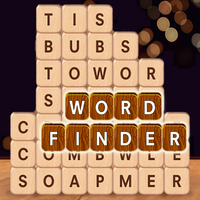
Simple Words is a word-building puzzle game with falling-block mechanics. You select letters to create valid words, used letters turn dark, and a row disappears after every letter in that row has been used. As rows clear and the board changes, you need to keep finding useful words without wasting letters that could help later.
What is Simple Words?
Simple Words combines vocabulary with board management. Instead of solving a fixed crossword or connecting only neighboring letters, you choose available letters and use them to build words while paying attention to what your choices do to the grid.
The basic rule is easy to understand: select letters, make a word, and gradually use the tiles on the board. The strategic part comes from deciding which letters to spend first. A short word may be easy to spot, but using those letters can change what you are able to build on the next move.
When every letter in a row has been used, that row clears. This creates the falling-block element of Simple Words and makes each word part of a larger puzzle rather than an isolated vocabulary question.
There is no need to rush through every move. Simple Words is designed around deliberate word searching, so you can study the available letters and think about how a choice may affect later turns.
Game Overview
| Feature | Details |
|---|---|
| Game | Simple Words |
| Genre | Word puzzle / falling-block puzzle |
| Developer | House Boat Games |
| Main Goal | Form valid words and clear rows of letter tiles |
| Main Input | Mouse click or touchscreen tap |
| Browser Play | Available on desktop, mobile, and tablet |
| Orientation | Portrait |
| Time Pressure | No standard timer pressure |
| Modes | Daily Challenge, Round Mode, Moves Mode, VS AI |
| Language | English |
How to Play Simple Words
The main loop in Simple Words only takes a few actions to learn, but keeping the board manageable requires more planning.
Select Letters to Build a Word
Look at the letters currently available on the board and find a valid word. Click or tap the letters you want to use.
You are not simply matching three identical blocks. The goal is to create real words from the available letters. This means vocabulary helps, but board awareness matters just as much.
Before committing to an obvious three-letter word, check whether the same letters can be used in a longer or more useful combination. You may also want to preserve flexible letters for another move.
Watch Used Letters
After letters are used, their tiles turn dark. This gives you a visual record of which spaces in the grid have already been completed.
The important objective is not just to keep submitting words. You want to work toward using every letter in a row.
A row with only one or two unused tiles is usually worth watching closely. If you can include those remaining letters in a valid word, you can finish the row and remove it from the board.
Clear Complete Rows
Once all letters in a row have been used, the row clears.
This is the central board-management mechanic in Simple Words. Clearing rows prevents the puzzle from becoming a simple sequence of unrelated word guesses. Your earlier choices directly influence which tiles remain and which letters become important next.
Try to think at least one word ahead. A move that helps finish a nearly completed row can sometimes be more valuable than immediately using the easiest letters on the screen.
Adapt After the Board Changes
Clearing tiles changes the arrangement of the board, so new word possibilities can appear after every successful sequence.
Do another scan instead of automatically repeating the strategy from your previous move. Look for common letter combinations, useful vowels, and rows that are close to completion.
Simple Words rewards players who switch between two ways of thinking: finding valid vocabulary and managing the remaining grid.
Simple Words Game Modes
Simple Words includes several modes built around the same letter-selection rules. The differences mainly affect your objective and how long you can continue.
Daily Challenge
Daily Challenge gives you a repeating challenge built for daily play. Your goal is to make progress and climb as effectively as possible during that day's attempt.
This mode works well if you prefer having a clear reason to return to Simple Words rather than playing an endless session.
Because the challenge changes, memorizing one board solution is not the main skill. Consistent word recognition and careful use of difficult letters are more useful.
Round Mode
Round Mode is the relaxed option.
You can play through rounds at your own pace without treating every move as a limited resource. This makes it one of the easiest places to learn how rows behave and experiment with less obvious words.
If you are new to Simple Words, spend some time here before worrying about efficiency. Learning when to preserve a letter is more important than immediately playing every word you notice.
Moves Mode
Moves Mode limits how far you can progress using a restricted number of moves.
That restriction changes your priorities. Every word needs to contribute something useful. Playing the first valid word you see can leave you with awkward rows and too little room to recover.
Before selecting letters, check whether the move completes part of a row, preserves useful vowels, or leaves several possible follow-up words.
VS AI
VS AI lets you play against a computer opponent.
The vocabulary rules remain familiar, but the opponent adds a competitive objective to Simple Words. This mode is better suited to players who already understand the basic row-clearing system and want something less predictable than playing alone.
Controls
Simple Words uses simple pointer or touchscreen controls.
| Action | Desktop | Mobile / Tablet |
|---|---|---|
| Select a letter | Left-click a letter tile | Tap a letter tile |
| Build a word | Click the required letters | Tap the required letters |
| Navigate menus | Mouse | Touchscreen |
You do not need complex keyboard shortcuts to start playing Simple Words. Most interaction is handled directly through the letter tiles and on-screen interface.
Tips for Simple Words
Do Not Play the First Word You See
Recognizing a word quickly does not automatically make it the best move.
Scan the full board first. You may find another combination that uses a difficult letter or moves a nearly completed row closer to being cleared.
Track Nearly Finished Rows
Rows containing mostly dark tiles should get extra attention.
If only one unused letter remains, start looking for words that contain that letter. Finishing the row can improve the board more than repeatedly using letters in several different rows.
Protect Flexible Letters
Common vowels and frequently used consonants can connect many different word combinations.
Using all of them too early may leave you with unusual consonants that are difficult to combine. When possible, keep enough flexible letters available to build around awkward tiles later.
Learn Short Recovery Words
Long vocabulary is useful, but short words can save a difficult position.
If the board leaves you with an inconvenient combination of letters, knowing more valid three- and four-letter words gives you additional ways to continue working on a row.
Short words are especially useful when your real objective is simply to activate one remaining tile.
Think About the Board, Not Only the Word
Simple Words becomes much easier to understand once you stop treating each word as a separate puzzle.
Ask what the board will look like after your selection. Which rows will be closer to clearing? Which letters will remain unused? Will you still have a good mix of vowels and consonants?
That small amount of planning separates random word selection from consistent play.
Slow Down in Moves Mode
A limited-move mode punishes unnecessary selections more heavily than relaxed play.
Check several possibilities before committing. Since Simple Words does not depend on rapid reactions, using extra thinking time is usually more useful than rushing.
Why Players Keep Playing Simple Words
The main appeal of Simple Words comes from the connection between vocabulary and a changing board.
Finding a word gives you an immediate small objective, while darkened tiles and cleared rows create a longer-term puzzle. You always have something specific to inspect: an awkward letter, an almost-complete row, or a combination that might become useful after another move.
The different modes also let you change the level of pressure without learning a completely different ruleset. Round Mode supports longer relaxed sessions, Moves Mode makes efficiency more important, Daily Challenge gives you a recurring target, and VS AI introduces direct competition.
Simple Words is therefore a good fit if you enjoy word games but want more board strategy than a standard word search. It can also work well for short browser sessions because the controls require almost no setup.
Simple Words FAQ
Can I play Simple Words online?
Yes. Simple Words has a browser version that can be played on desktop computers, phones, and tablets.
Is Simple Words free to play online?
Browser gaming platforms offer Simple Words as a free-to-play online game.
How do you play Simple Words?
Select letters to create valid words. Used letters turn dark, and a row clears after all of its letters have been used.
Does Simple Words have a timer?
The standard gameplay is designed without constant time pressure, allowing you to examine the board before choosing letters.
What modes are available in Simple Words?
Simple Words includes Daily Challenge, Round Mode, Moves Mode, and VS AI.
Can I play Simple Words on mobile?
Yes. The browser version supports mobile and tablet play using touchscreen controls.
What is the best strategy for Simple Words?
Focus on completing rows instead of simply playing every word you notice. Preserve flexible letters, target difficult tiles, and check the board before each selection.
Is Simple Words only about vocabulary?
No. Vocabulary is important, but successful play also depends on deciding when to use specific letters and how to clear rows efficiently.